How to Actually Get Good at Something: The Challenge Project Method
Are you anything like me, and love the euphoria of a good idea, but then halfway down the road you see something shiny — an even BETTer idea — and the next thing you know, you've left a trail of broken projects and art supplies in your wake, without much to show for it?
Why Getting Good at Something Is Harder Than It Looks
As I see it, there are three challenges that stop us from becoming highly skilled at something. First, picking exactly WHICH thing we want to get really good at. Second, getting stuck in the research or planning phase of HOW to get really good at that thing. And third, staying with it long enough to actually improve. This means avoiding the new shiny ideas that pop up, which is not easy — especially when your brain is actively working against you. Research by Roy Baumeister found that the more decisions we face, the more our willpower and follow-through erode. The antidote? Narrow the field. Pick one thing, commit to one small project, and take the cognitive load off entirely.
Here are a few skills I've tried and failed to get better at over the years: Cake decorating. Raising orchids. Cooking. Playing ukulele. Playing piano. Making jewelry. The list goes on. All of these things were an obsession when I first started them. A few of them lasted only a week or so before I set them down.
Why do these attempts fail? We tend to blame ourselves for not sticking with it, but I think the key is being a bit more deliberate about the decision of which thing we want to get really good at — and which things we want to try for fun and just enjoy the experience, without any expectation of excellence, or even proficiency.
Pick one thing -
There are no wrong answers, because either way, you learn.
Enter the Challenge Project — Your No-Pressure Test Drive
I have a solution to get started now on building your skills — and here's the best part: you don't need to know for sure if this is THE thing yet. The challenge itself is your test drive.
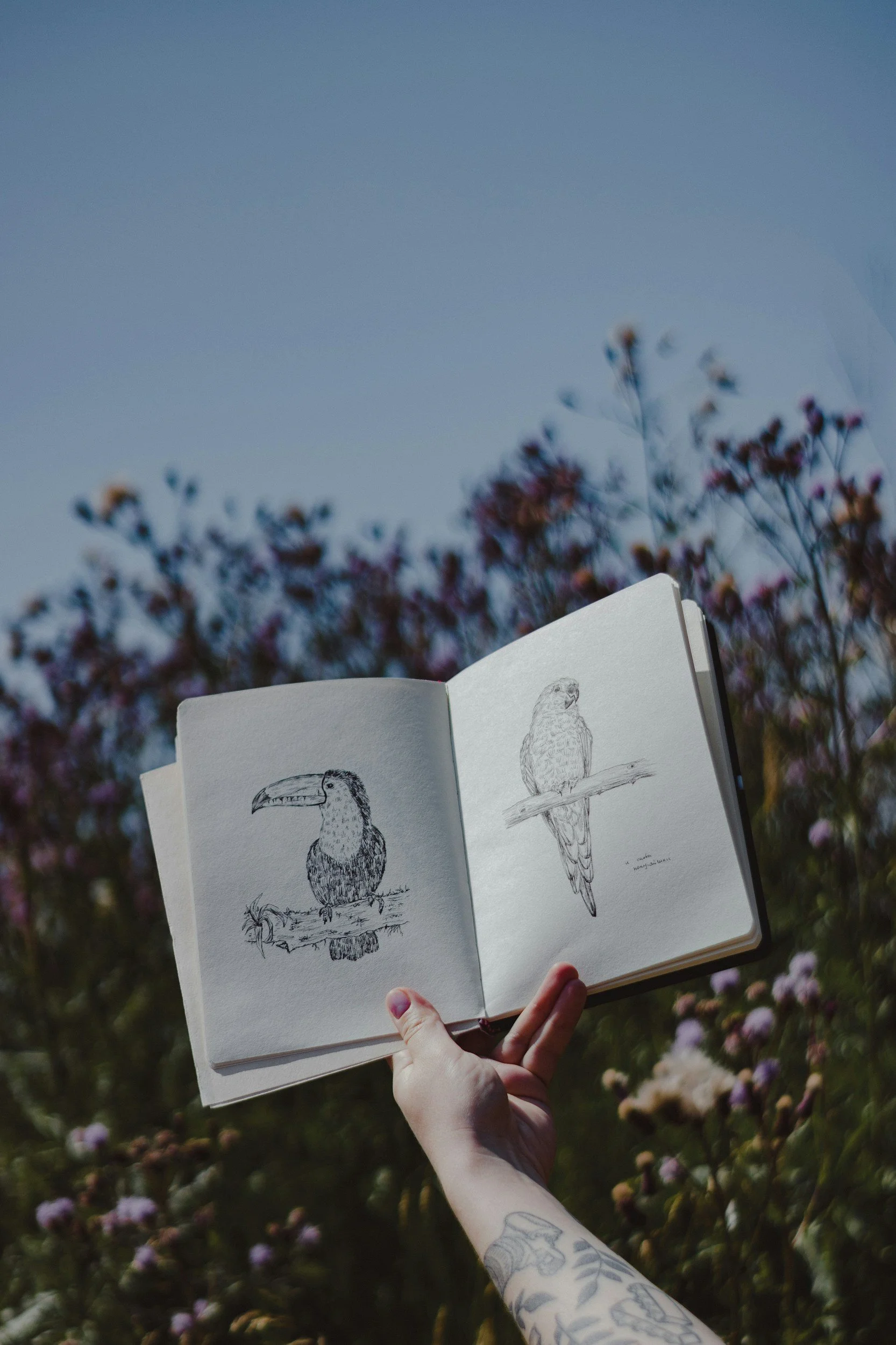
What if you start small, with a Challenge Project? Here's how it works. You catch yourself thinking, "Man, I really wish I could draw better!" So instead of rushing off to the internet to order a bunch of sketchbooks and drawing supplies, signing up for a 6-week drawing class, or reading books about drawing, you just start with a challenge: Draw a bird every day for a week. At the end of the week, you have a physical record of your progress, and you know a little bit more about whether this is something you'd like to continue with. If you finish the week relieved it's over — great, you found out cheaply. If you finish the week wanting more, that's your sign to scale up.
Maybe it's something more practical, like cooking. You commit to making 10 new recipes next month. At the end of the month, if nothing else, you have a couple new dinner favorites, you realize you hate making fajitas, and your family is fed. But maybe you really catch the bug, and decide to sign up for a cooking class, or order a book on one of your favorite techniques.
What Happens in Your Brain When You Go Big
Once you've done a mini-challenge and you're hungry for more, consider going big. Repetition of a very small part of your skill set can be so insightful, and builds your physical automaticity for the task. This is actually what's happening in your brain: with enough focused repetition, individual movements get consolidated into larger automatic sequences, freeing up your mental bandwidth for higher-level creative decisions — the interesting stuff. Researcher Anders Ericsson called this kind of focused, specific repetition deliberate practice, and his work showed it's the real engine behind expertise — not raw talent, not years of casual dabbling.
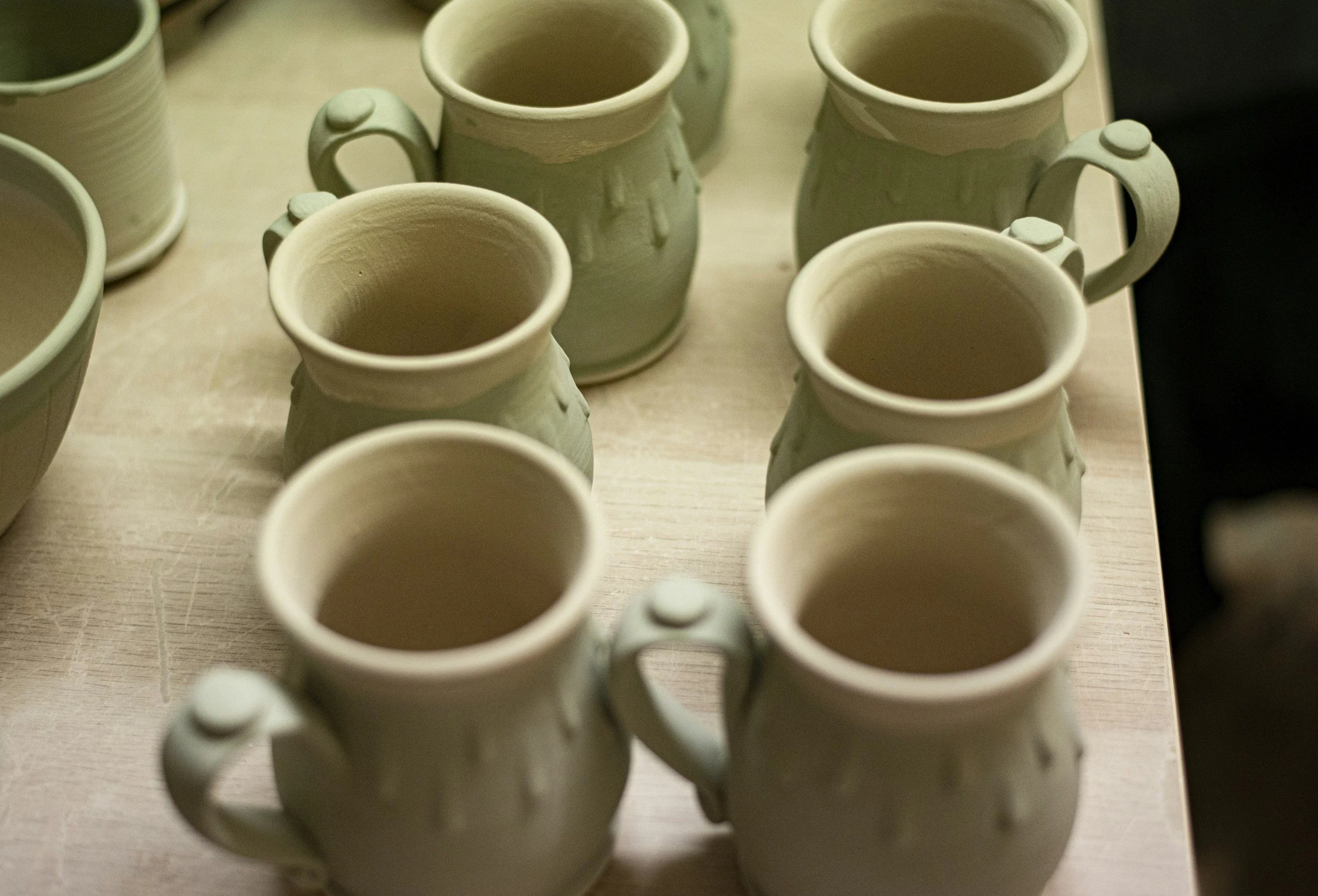
I've made many mugs in the past. Usually in different styles, scattered throughout the year and in between making other forms. This year, I want to level up my efficiency, heighten the technical quality of my work, and develop a more distinctive signature style. So I'm making 100 mugs in 100 days. I'm only about 12 in, and already I'm faster at setting up for a batch-session of throwing, and I've narrowed down which tools and techniques work best for me.
This Is Where the Magic Actually Happens
When you only practice your skill sporadically, you're sort of re-learning the process each time. But if you commit to repetition of a specific skill in a specific time period, what you'll find is the nuance — which shape you gravitate towards, a refined technique for removing the piece from the wheel, a faster and more flavorful bolognese sauce, a more dynamic and realistic octopus.
And then one day — maybe around mug 12, maybe around bird 5 — you'll notice something shift. You stop second-guessing every move. The work gets quieter and more confident at the same time. That's not magic. That's your brain rewiring itself. And it's worth sticking around for.
The bonus thing you're learning underneath it all is creative practice discipline. Getting jazzed about the process, not the idea. Fall in love with the routine, the habit, the rhythm, the space to explore within the structure. At the end of your challenge, reflecting on how it started and how it's going will reveal that you ARE building skill, and it motivates you to keep going!
Building skill isn’t magic.
It just takes enough discipline to start small, and tune into the process.
Quick Win: Pick one skill and name your mini-challenge right now — write it down. How many repetitions? How many days? Done.
Solid Solution: Put the challenge on your calendar, or on a checklist where you can see it and cross it off daily. Reward yourself at the end!
Treat Yourself: Hit on something that you really love? Buy that book, those art supplies, or that class to level up your skill even further.
With Enthusiasm for Life + Art,