5 Things to Do Now If You're Considering a Full-Time Creative Career
Can't you just picture it? You quit the day job, set up the dreamy studio, and get busy making anything and everything you want, with people buzzing in and out of your studio, buying your art and paying your bills!
I love that story. But today I'll be telling you the real one, because its realness actually makes it more encouraging. It is less magical at first, for sure – but making a living from your creative work is absolutely possible. It just rarely looks like you think it will. It looks more like a renovation project: It involves planning, working around surprises that pop up, reworked expectations, budgets, and timelines.
But then before you know it, time passes, you look back at what you've done, and "it doesn't even look like the same house!" (as the couple always exclaims during the before and after reveal). And the good news about THIS project is that you can start building today, even if just the foundation.
Here are your first five things to actually do now, BEFORE you quit that job.
1. Map your income streams — all of them
When people picture "living off your art," they usually picture one income stream: your work goes out, the money comes in, repeat. But almost nobody actually lives that way at the start, or at all. The artists who make it work are stitching together their bottom line from multiple sources — work they sell, teaching, commissions, workshops, the online thing they're building, the part-time gig they kept on purpose. Each piece alone wouldn't pay the bills. Woven together, they do.
So sit down and list every stream you have or could realistically start, even the tiny ones. Then find your anchor: the one guaranteed source — usually part-time employment at first — that covers your baseline while the rest grows. That anchor isn't a betrayal of your art; it's the trellis the vine climbs. It buys you time to build slowly and the nerve to make work you believe in instead of work you're scrambling to sell by Friday. Just seeing it all on paper changes how the whole thing feels.
For me, that's my teaching and mentoring roles. Not a huge source of income because I only teach about 4-5 classes a year, but it provides a fairly consistent base. And I could increase that time and income if I needed to.

Here’s me in one of my favorite places -
getting messy at the wheel teaching beginners to throw!
Teaching in your field can be a great way to expand your creative skills, share your expertise, and make some consistent income to fund the other aspects of your creative life.
2. Take an honest inventory of your strengths and weaknesses
The creative life rewards certain temperaments and creates obstacles for others. It asks you to be self-directed when no one's assigning the work, to tolerate uncertainty, and to handle a startling amount of admin between the fun parts. Some of that will come naturally to you. Some won't — and that's fine. It's the honest awareness and planning that will bring it all together.
So make the list now, before you find out the hard way. Two columns: what you're genuinely good at, and what you dread. The goal isn't to be good at everything; it's to know where you're weak so you can plan around it. If you dread bookkeeping, build an extra-simple system or hire it out early. If you spiral without deadlines, manufacture them. Designing a setup that doesn't depend on you magically becoming a different person is one of the smartest moves you can make.
3. Set up your week before it takes you down
Here's what nobody warns you about freedom: it's also the trap. When there's no boss and no clock, every hour is technically yours — which means every hour is a decision, and decision fatigue is real. It's way too easy to push things off til tomorrow, or pack in too much and burn yourself out. The blank week that sounds so amazing when you're stuck in the 9-5 employment grind can actually be debilitating.
So build the scaffolding now. Sketch a rough "ideal week" template and anchor a few non-negotiable blocks — studio time on these mornings, admin on that afternoon, teaching on those days — and let the rest flex around them. Protect your best creative hours fiercely and pile those boring tasks into your low-energy windows, not the other way around. The structure isn't there to limit you; it's there so you spend your energy making instead of deciding what to do every five minutes. Counterintuitively, a little scaffolding is exactly what makes the freedom feel…well, free.
4. Make peace with your home, on purpose
When you work from home, and with a flexible schedule, domestic life and creative life stop being separate. The laundry is right there. The dishes stare at you when you run up to get a glass of water. And it works both ways — you'll feel guilty making art when the house is a mess, then guilty doing chores when you "should" be working.
So decide the terms now, before you get stuck in this spiral. There are two main ways to do it. One, try batching the home stuff into defined windows so it doesn't bleed into everything. And two, you can use the natural rhythms of creative work — the drying time, the firing, the waiting — to throw in a load of clothes or start the crockpot. Some days the house wins and some days the work wins, and learning to be okay with that imbalance is its own superpower skill. The dream isn't a spotless house or a perfectly productive studio. It's a life where both get tended, imperfectly, side by side. And letting yourself off the hook for the ebb and flow of it all.
5. Start building the boring infrastructure today
This is the least romantic step, so I'll just say it: there's no employer quietly handling your retirement, your insurance, or your safety net anymore. That's all yours now — the trade you make for the autonomy. Which is the main thing to remember when you get stressed – it's all a trade off, and you'll get some life-changing benefits from being your own boss. But keeping your life on track is one part of your new job.
You don't have to solve it all at once. But start looking at it today rather than discovering it in a panic at tax time. Set a little aside. Learn the basics. Build the dull infrastructure that allows the fun part to keep going. Planning for the future isn't the opposite of the creative life — it's what makes the creative life sustainable, past that first burst of enthusiasm. The most romantic thing you can do for your art, it turns out, is make sure you can still afford to make it in ten years.
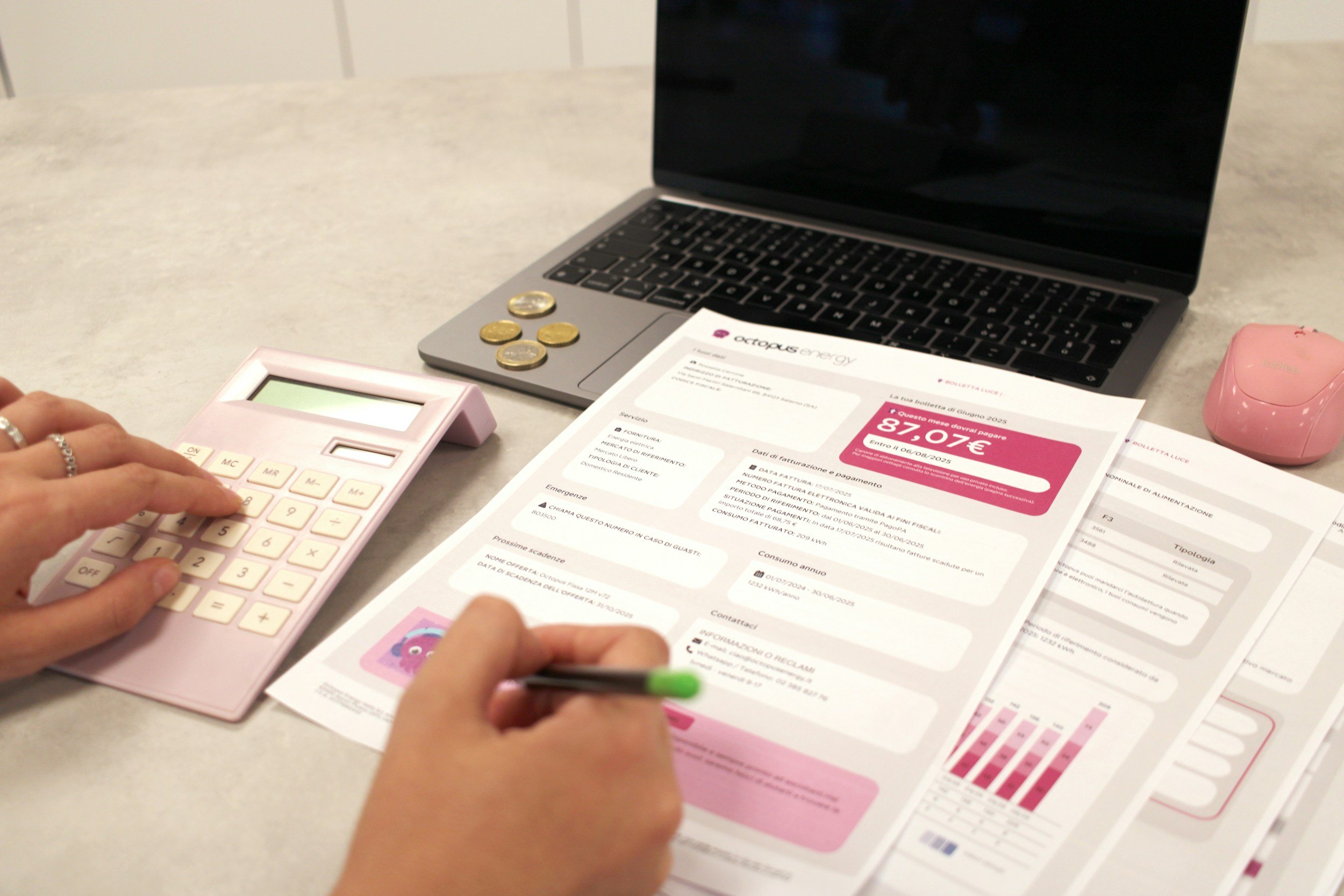
Take a look at the numbers…
You don’t have to have it all figured out, and you can ask for help. But feeling your feet underneath you financially, and making a long-term plan for steady growth will be a big help in taking the next step.
The real takeaway
None of this is meant to talk you out of it. It's meant to get you moving into it with your eyes open. Designing a life where you get to make art is itself a creative act — maybe the biggest one you'll ever attempt. You're shaping something out of raw material, problem-solving, and pivoting when it doesn't work the first time. And for me, this was probably the most valuable lesson: There's no finish line where you've "made it" and the building stops. You just get gradually better at the whole thing, and building your creative life becomes part of the joy.
With Enthusiasm for Life + Art,
Heidi
Quick Win: Tackle step one this week — list every income stream you have or could start, and name your anchor. It's the fastest way to make the whole dream feel concrete instead of scary.
Solid Solution: Work through all five steps over the next month, one a week. By the end you'll have a real, written foundation instead of a vague someday.
Treat Yourself: Curl up with The 12 Week Year by Brian Moran or a beautiful new planner, and give yourself permission to dream the whole thing onto paper.