For a long time, I was an optometrist who did art sometimes. Now I'm an artist who used to be an optometrist. That switch was one of the hardest things I've ever done — not because of the logistics, but because the real work was rebuilding my entire sense of who I was. That identity shift took about five full years, if I'm being completely honest.
So if you're sitting there wondering whether your art should stay a cherished weekend escape or become the thing on your business card, I get it. It's a tough call. And the answer is more nuanced than Instagram would have you believe.
The "Just Go Pro!" Trap
Here's something nobody talks about enough: there's a bit of drama out there in the art world — a quiet disdain for the word "hobby" and what it implies. Like if you're not monetizing your passion, you're somehow not serious about it. And on the flip side, going full professional can feel terrifying. Suddenly every piece has to be gallery-worthy, and the stakes feel enormous.
There's also the financial reality that nobody laid out for us when we were younger. When I was growing up, adults just... didn't talk about money. Not really. What different salaries actually mean for your lifestyle, what it costs to run a studio, what it looks like to try to sell your work — none of that was part of the conversation. So people end up years down a path before realizing it doesn't match the life they pictured. That's a hard place to find yourself.
And then there's the Instagram version of success — those dreamy videos of potters throwing perfect cylinders in their sunlit studios all day. Mesmerizing, right? But pause for a second. Do you actually want to be attached at the hip to your wheel, filling orders, managing an Etsy shop, shipping mugs on Tuesdays? Maybe! But maybe not exactly. Your version of success is allowed to look different.
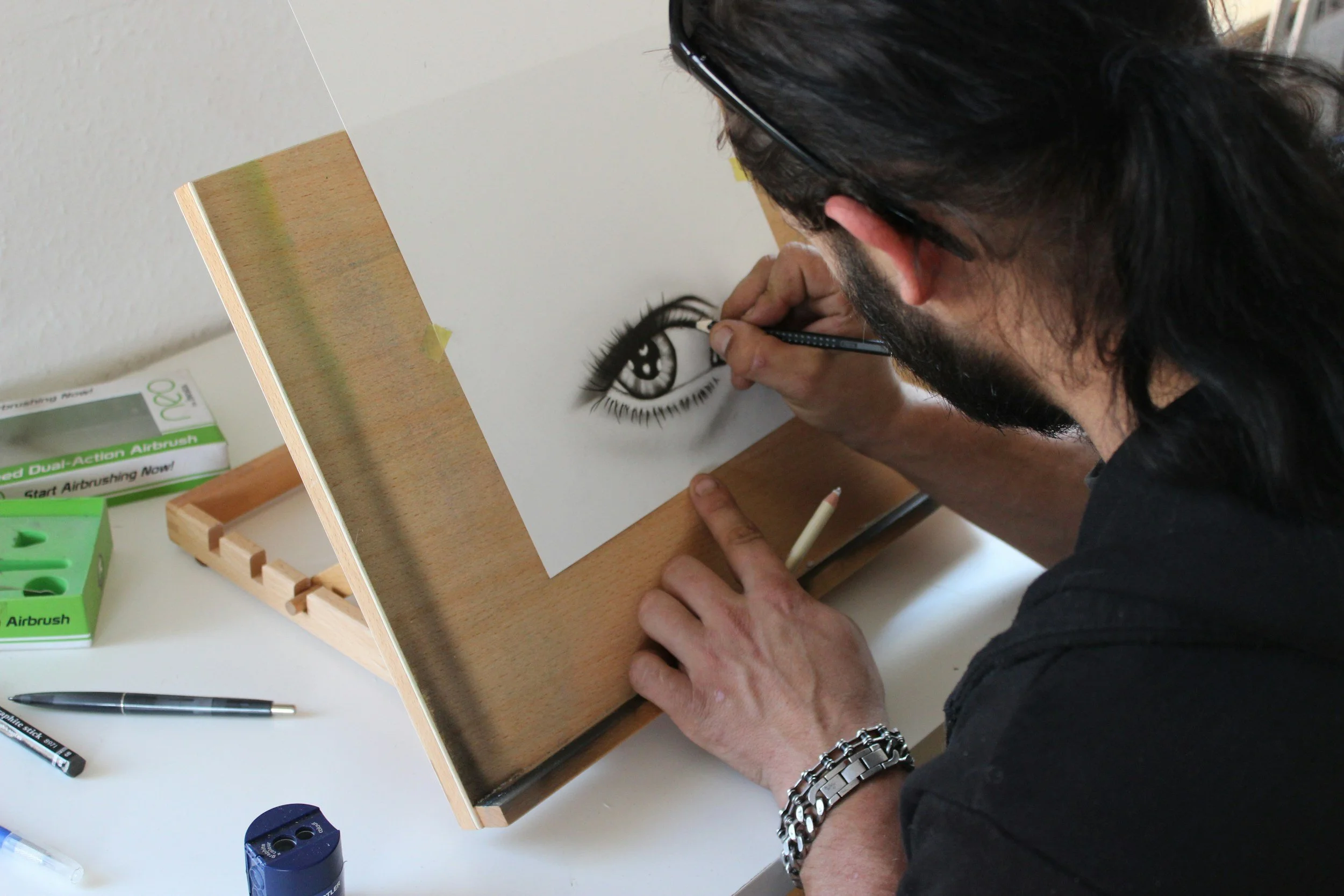
Make what you want, when you want?
Pay the bills by selling your work?
What does your dream art practice look like?
The Real Case for Keeping It a Hobby
Let me make the honest case here, because this path gets underrated.
When your art doesn't have to pay the bills, you get something priceless: creative freedom. You make what you want, when you want, for no one but yourself. Failed experiments aren't lost income — they're just learning. There's no burnout from grinding out commissions you don't love. You're not "a failed artist" because you were never trying to be a professional one. You were just a person who makes things, and that is genuinely wonderful.
This path works beautifully for people who are happy with their day job, those with a secure income, or parents and caregivers who are working with limited time. For a while early in my own journey, I was living this version — and it was good. Financially predictable. Creatively satisfying. It could have been a very successful long-term path, if I had been better suited to optometry. The key word there being if.
The Real Case for Going Pro
On the other side: deadlines make you finish things. Pressure, when it's managed well, accelerates your skills in ways that pure play sometimes doesn't. You build community. You start calling yourself an artist out loud, and something shifts.
For me, going professional wasn't really a choice — it was more like admitting something I'd been avoiding. I was born an artist. It was everything I was about growing up, until my well-meaning teachers and counselors steered me toward honors sciences and a healthcare career. Stepping fully into an artist identity now, even though it's scary to be building a serious practice at this stage of life, is the only way I feel like me. I am genuinely a different person than I was in those exam rooms — and that clarity only came once I was fully out on my own, going for it.
The Hybrid Path (The Secret Third Option)
Here's what I actually want you to hear: hobby vs. profession is a false binary.
The hybrid model is real, and it's underrated. Think part-time professional work that funds your personal studio practice. Teaching income that gives you financial breathing room to experiment. Selling at markets in the fall, then going quiet and making purely for yourself in the winter. A "profitable hobby" that covers its own costs without consuming your whole identity.
This is actually how I operate right now — teaching ceramics at GoggleWorks, doing my own porcelain work, and developing coaching services for other creatives. It's a balance I keep adjusting. Some seasons lean more one way than the other, and that's okay.
As you map out your path, I want you to reflect on something often not considered as we pick career paths: Do you like the person you are when you are in that role? How do you go around in the world as a doctor? As an artist? What’s different? For me, as an artist I’m in awe of the beauty around me, always curious, seeking inspiration, and ideas are bubbling up faster than I can grab them. I’m thinking about new ways to get better, people to collaborate with. I’m noticing the ways other people shine their light. I’m celebrating art and love and creativity. This is how I want to be. This is how I have to be.
And don’t get me wrong, this aliveness is possible with a day job! But for me, I couldn’t be an excellent optometrist, doing everything necessary to be top-notch specialist in my field, and still keep enough freedom in my brain to also be creatively free, and make the art I wanted to make, to be myself. I couldn’t do it. I’m not built like that. Accepting my limitations there was everything.
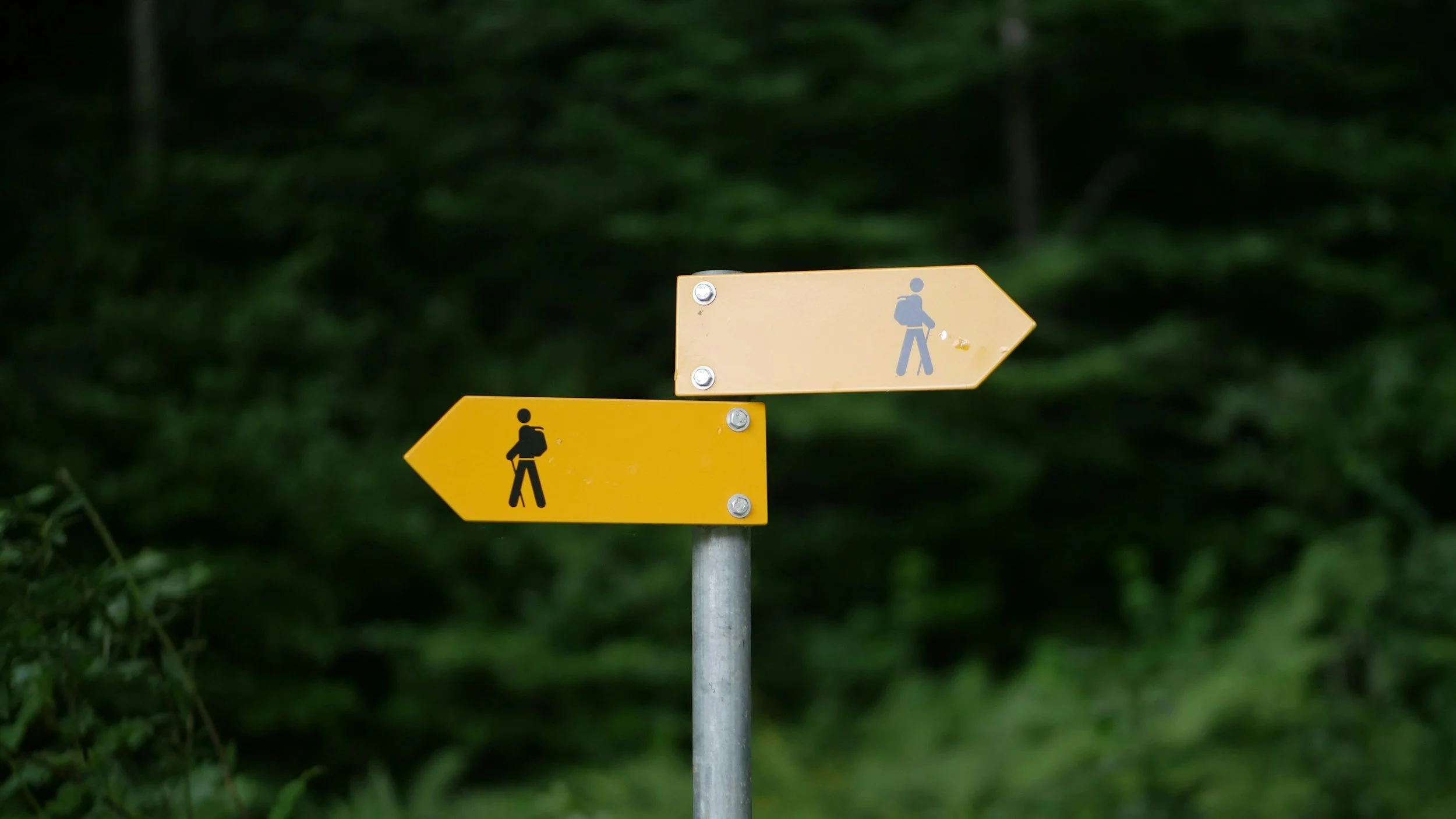
It may feel like you have to pick one way, or the other.
But you can forge your own path, through careful consideration and self-reflection.
The Mirror Exercise
Before you decide anything, take a look at yourself. Sit with these questions honestly. Nobody's grading you.
What do I want my days to actually look like?
How do I handle external pressure and expectations?
What's my real relationship with money — and what, if anything, does my art need to contribute to the bills?
Do I need structure to produce, or does structure make me rebel?
What does success actually mean to me — not to my followers, not to my family or friends?
One more thing worth saying: this is not a forever decision. You're allowed to change your mind. The perfectionism trap of waiting until you're "good enough" to go pro will keep you stuck indefinitely. And if you do go professional, just know: business skills matter as much as art skills. I kind of knew that - and yet the depth of this truth surprised me. Also keep this in mind — no one else can tell you what to do next. No one else has lived YOUR life!
The Bottom Line
The right answer isn't hobby OR profession — it's whichever path lets you keep making art joyfully for the long haul. That looks different for everyone, and it can change over time, with the seasons of life. The goal is just to make a choice that's actually yours, not one borrowed from someone else's highlight reel.
Quick Win: Grab your journal and spend 10 minutes writing out what "success" actually looks like to you — your version, not the Instagram version.
Solid Solution: Take it one step further. Write out three versions of a perfect week in the life of future you. One where you're at your day job with art as your hobby. One where you've gone all-in on your creative work as a career. And one that's something in between. Really visualize it — let yourself imagine a Monday in detail, the flow of your week, what it actually feels like to live that version. Then read all three back, circle what resonates, and use that as your starting point.
Treat Yourself: Book a coaching call and let's design your custom creative roadmap together.
What path are you on right now — and is it working for you? Thoughts of pivoting? I'd love to hear about it.
With Enthusiasm for Art + Life,