Winter Hibernation is Real (And That's Okay)
Every February I wonder why I haven't moved the needle towards my goals for the year. Then I act surprised when my energy comes back - just as March finally starts shifting from Lion to Lamb mode and I can breathe again! And yet, this pattern is repeated year after year. So Iet’s learn to go with it!
If you’re feeling the winter doldrums, you're not alone. Pushing through winter with the same creative energy and expectations as summer doesn't make you more productive. It just leads to burnout, guilt, and that nagging feeling that you're somehow broken because you can't maintain your summer pace in the middle of February.
So… what if "just getting by" in winter is actually the biologically smart thing to do?
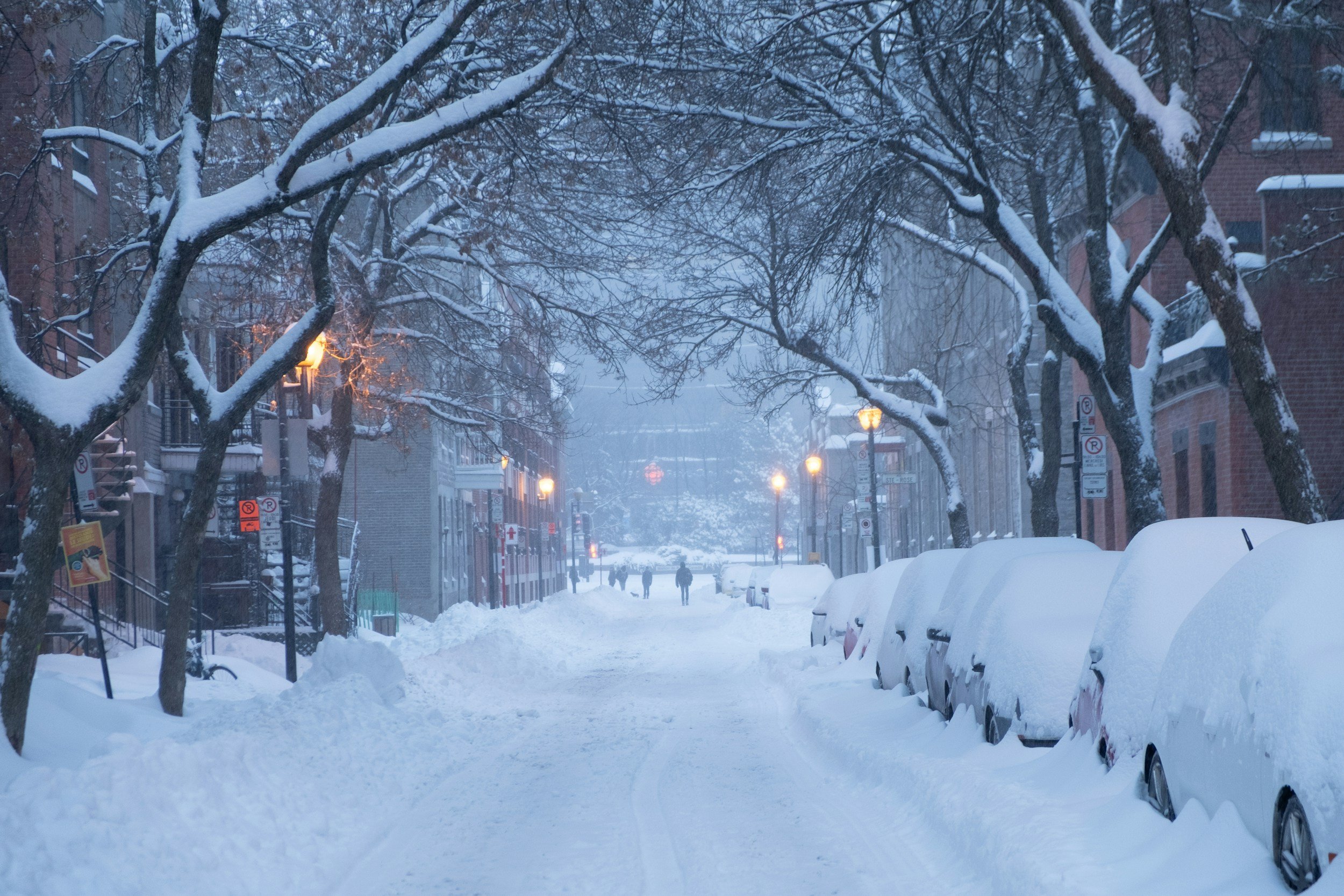
Look around -
What is nature doing? Less noise, less activity. Just what’s necessary to stay warm and fed.
The Guilt of Winter Slowdown
You know that feeling in January and February when you look at your ambitious yearly goals and think, "What was I thinking?" Your to-do list feels impossible. Your creative projects sit untouched. And everyone on the Gram seems to be crushing it while you're just trying to get out of bed before 8am. That's the myth of constant productivity at work—we're conditioned to believe busy equals successful.
But here's the truth we can all feel for ourselves: fighting against your body's natural rhythms is like trying to garden in frozen ground. You're expending massive energy for minimal results.
Less daylight equals less creative energy, and this is REAL. It's not in your head. It's in your biology.
I'm a huge fan of fresh starts. So of course I love making big plans, setting goals, and beginning new habits in January. But finally, a few years ago, I basically just looked back over the years and realized—it wasn't happening. I'd end up reworking and restarting my plan a few times until I finally picked up steam as those scattered warm days started to hit in March, and it was actually light in the mornings.
So, why resist what is? Guilt is just not helpful. Embracing this natural rhythm can be a game changer.
The Science Behind Your Winter Slowdown
Here's where it gets really interesting. Researchers at the University of Liège in Belgium conducted brain scans on participants during both summer and winter. They found measurable differences in brain activity between seasons—even in the same individuals. Attention tasks peaked in summer, while working memory performance was best in fall.
And it's not just about seasonal preferences. Vitamin D plays a crucial role in how our brains synthesize serotonin—that neurotransmitter that helps regulate mood, motivation, and yes, creativity. Studies show that about 70% of the population has inadequate vitamin D levels, which means most of us aren't operating at peak serotonin synthesis, especially in winter.
Research on people with Seasonal Affective Disorder found that serotonin transporter levels were 5% higher in winter (when vitamin D from sunlight is deficient) compared to summer. Your brain isn't broken—it's responding to your environment.
So what does this mean for your creative practice? It means we need to think about creativity the way nature thinks about survival—through cycles, not constant output.
What Hibernation Actually Does (For Bears AND You)
Real hibernation isn't about sleeping through the entire winter (although that sounds amazing sometimes, right?). It's about conservation of energy for survival. It's operating in a lower gear. It's reduced metabolism, which means reduced output—and that's OKAY.
Think about what happens underground in winter. Seeds need this cold period to germinate properly in spring. Trees aren't dead—they're doing essential internal work that will allow them to leaf out when conditions improve.
I used to always get so much shoulder and neck tension over the winter—from forcing action through the cold or just carrying the stress of not quite meeting my goals. The answer isn't more medical appointments—it's dressing warmer and cozier, caring for myself extra with yoga and hydration and good food, and giving myself a break on work-related achievements.
Instead of pushing too hard to achieve externally, I’m trying to turn inward and spend extra time writing, reflecting, gathering ideas, and clearing and cleaning my home space and studio space—resetting for the productive period I know is on the way. Because that's what happened last year, and the year before. Trust that your future self has got this, as long as you set her up for success, not strain and stress.

An honest assessment of what you need is powerful:
Extra sleep, a nutrition reset, or calling a friend for coffee…these simple acts can make the difference in your next winter reboot.
Signs You're In Healthy Hibernation
Before we talk about practical strategies, let's make sure you're in healthy hibernation, not something that needs different support.
In healthy hibernation, you still WANT to create, just less intensely. Small creative acts still bring satisfaction. You're dreaming and planning for spring. You're not avoiding the studio from fear or shame—you're just moving at winter's pace.
If you're experiencing persistent feelings of hopelessness, inability to find joy in anything, or thoughts of self-harm, that's different. Please reach out to a mental health professional, as well as friends and family. We are all in this together!
Practical Ways to Honor Winter's Pace
Lower Your Expectations (Seriously): What's the minimum viable creative practice? Maybe it's sketching for 15 minutes instead of a three-hour studio session. Maybe it's pinning inspiration instead of creating finished work. This isn't giving up—it's being strategic.
Shift to Planning and Dreaming: Winter is actually great for the behind-the-scenes work. Fill your sketchbook with ideas. Build Pinterest boards. Read that stack of art books. All of this is creative work—it just doesn't look like finished pieces yet.
Do the Admin: You know all those boring tasks that you skip over the summer? Studio organizing, updating your website, sorting through old projects? Winter is perfect for this. It clears the decks for when your energy returns.
Gentle Making: Choose practices that match winter's energy. Hand-building instead of wheel-throwing. Sketching instead of finished paintings. Small exploratory pieces instead of ambitious series.
Make a Seasonal Creativity Planner: Grab a blank piece of paper and write the months in a circle like a clock. Add the big things in pencil—your daughter's musical, work conferences, holidays you host. Then add your creative and restorative periods.
For me, Thanksgiving through January is holiday recovery and planning. February is adding back healthy habits. March through May is GO time with ceramics production, starting with a batch of planters for spring. Summer needs margin for kids and being outside. September through November is my second big push, making work for the Christmas season.
I'm still creating year-round, but with seasonal grace around expectations.
The Spring Payoff
Here's what you gain from honoring winter's rhythm: when spring arrives, you're actually ready for it. You haven't burned yourself out fighting against biology. You've spent winter doing internal work—planning, dreaming, organizing—so when your energy returns, you know exactly where to direct it.
My mom grew up on a dairy farm in Indiana. Those winters are cold. Farming activities don't stop—the cows still need to be milked—but there's a slowdown in the fields as activity shifts indoors and they wait for the snow to melt. This is when indoor building repairs can be done, business tasks, and yes, still and always - the milking.
Traditional makers understood this. They worked WITH the seasons, not against them. Summer for field work and harvest. Winter for indoor crafts, repair work, planning for spring.
Even if you live somewhere tropical, you likely have natural slow periods. Maybe it's the height of summer heat. Maybe it's rainy season. The specific trigger doesn't matter—what matters is recognizing and honoring your body's need for variation.
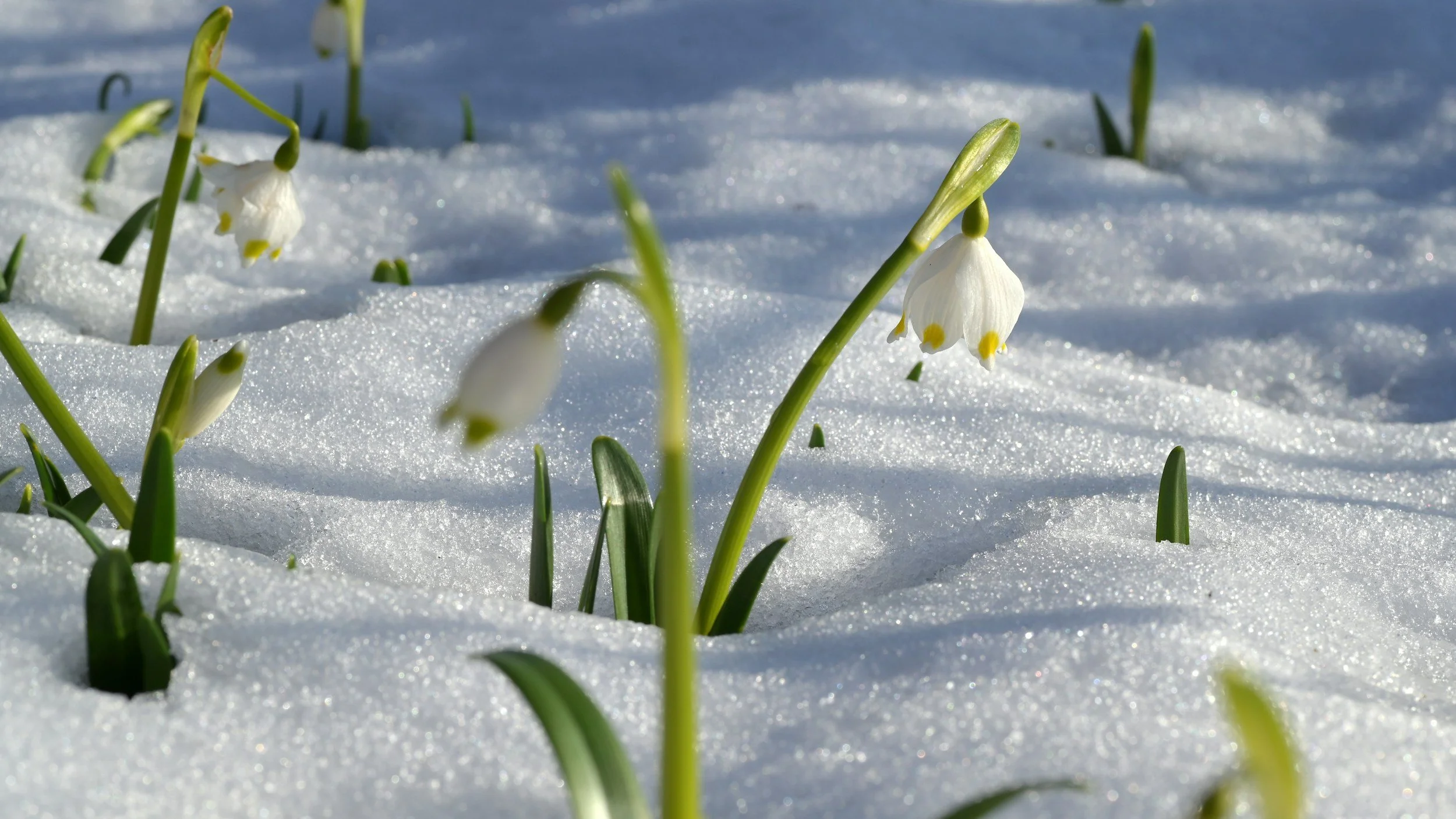
Nature will let you know when it’s time to emerge!
And if you prepare for winter, embrace it - you’ll be ready for spring.
Fighting Winter's Natural Slowdown is Like Trying to Garden in Frozen Ground
Save your energy for spring.
This week, give yourself permission to do ONE small creative thing instead of your usual ambitious plans. That's it. That's enough.
Want to understand your own seasonal patterns? Track your creative energy and output over the next few months. Notice when you naturally feel most productive. Notice when rest feels necessary, not lazy.
And if you want support through this process, I'm developing one-on-one artist coaching to help you create a custom creative roadmap that works WITH your natural rhythms, not against them.
The snow will melt. The light will return. And when it does, you'll be ready.
With Enthusiasm for Life + Art,